The European machinery sector will not see real signs of recovery until 2027
The machinery sector is going through a complex moment globally, and Europe is one of the most affected regions. Geopolitical tensions and the recent US tariff policy are weakening the dynamism of the industry, slowing investment and limiting growth.
A recent report from Credit and Surety revises downwards forecasts for the sector, that will fall 0,6 percentage points compared to March estimates. For 2025 global growth is expected 1,4 %, which will be reduced to barely 0,8 % in 2026, with a sustained recovery that would not arrive before 2027.
Europa, the hardest hit by the new commercial scenario
The machinery industry depends largely on international supply chains and of a stable access to financing, factors currently affected by global uncertainty.
In this context, Asia-Pacific is emerging as the region with the best performance, with growth close to 3 %, while Europa will suffer a contraction in mechanical engineering production. According to forecasts, the region will not show a significant recovery for two years.
One of the main reasons is the strong dependence on European exports to the United States, which is directly affecting the continent's large producers. Germany, responsible for more than 45 % of machinery production in the euro zone, y France will see a drop greater than 2 % this year.
More insolvencies and structural challenges
The report also warns of a increase in business insolvencies, a trend that has already been observed since 2024. Lack of trust and tighter financial conditions are making it difficult to invest in new equipment and technologies.
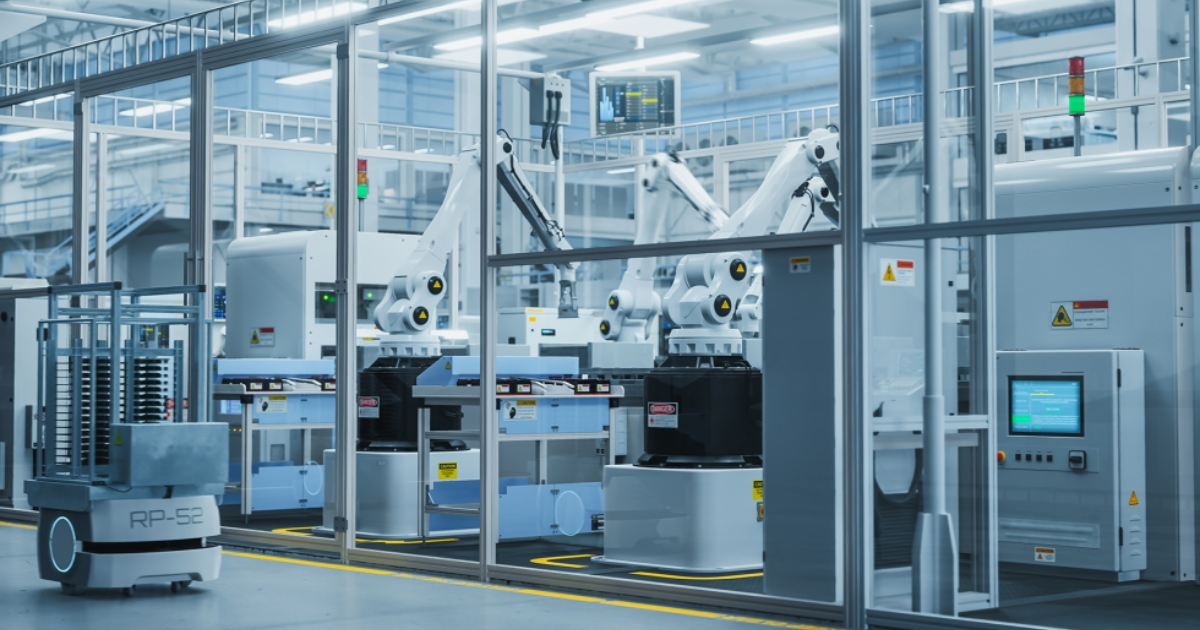
In the medium and long term, the sector will have to face structural challenges, as the volatility in prices and availability of raw materials clave (aluminum, copper and steel), In addition to the need to advance in the process automation and the use of industrial robots. This last point, however, could become an opportunity to boost companies that manage to adapt.
The outlook for European machinery remains uncertain. Trade tensions and rising costs are putting pressure on profitability, while investment remains contained. However, technological transformation could lay the foundation for a stronger recovery from 2027, when the industry manages to stabilize its supply chains and adapt to the new global context.